
What a Root Canal Treats and How It Saves Your Tooth
Key Takeaways
- Root canal treatment is a common dental procedure used to treat infection or inflammation inside a tooth while preserving the natural tooth whenever possible.
- Persistent tooth pain, sensitivity to hot or cold temperatures, swollen gums, and discomfort when chewing may indicate the need for a root canal.
- Modern root canal procedures are performed with local anesthesia and are designed to relieve pain rather than cause it.
- Treating an infected tooth promptly can help prevent further complications, including abscesses and tooth loss.
- A dental crown may be recommended after treatment to restore strength and protect the tooth.
- Good oral hygiene and routine dental examinations help maintain the health of a root canal-treated tooth.
- Wave Dental helps patients in Worcester, MA, understand their restorative treatment options and make informed decisions about their oral health.
A severe toothache can make everyday activities difficult. Eating, drinking, sleeping, and even concentrating at work can become uncomfortable when a tooth is damaged or infected. While many people associate a root canal with pain, the procedure is actually designed to relieve discomfort, remove infection, and preserve a natural tooth that might otherwise need to be extracted.
Root canal treatment is one of the most established procedures in restorative dentistry. It allows dentists to remove infected or inflamed tissue from inside a tooth, clean the affected area, and seal the tooth to help prevent reinfection.
At Wave Dental in Worcester, MA, we believe that understanding your dental health is an important part of making confident treatment decisions. Knowing the signs of a possible tooth infection, how root canal treatment works, and what to expect during recovery can help you seek care before a dental problem becomes more serious.
What Is a Root Canal?
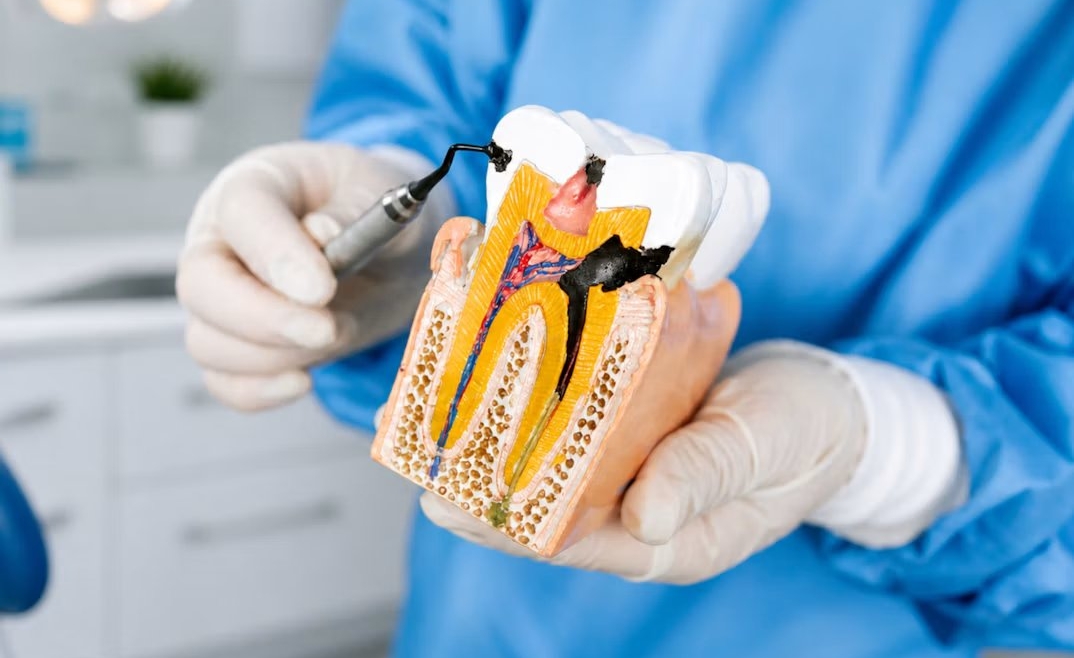
A root canal is a dental procedure that treats infection or inflammation within the soft tissue inside a tooth, known as the pulp.
The pulp contains nerves, blood vessels, and connective tissue. During tooth development, it plays an important role in helping the tooth grow and mature.
Once a permanent tooth has fully developed, however, it can continue functioning without its pulp because surrounding tissues provide ongoing support.
When the pulp becomes severely inflamed or infected, root canal treatment may be necessary to preserve the tooth.
During the procedure, the dentist removes the affected pulp, carefully cleans and shapes the root canals, and fills the internal space with a biocompatible material.
The tooth is then sealed and typically restored with a filling or crown.
The goal is to eliminate the source of infection while preserving as much natural tooth structure as possible.
Why Would Someone Need a Root Canal?
A tooth may require root canal treatment when the pulp becomes irreversibly inflamed, infected, or damaged.
Several conditions can lead to this problem.
Deep Tooth Decay
Tooth decay is one of the most common reasons for root canal treatment.
A cavity begins when bacteria produce acids that gradually damage tooth enamel.
If the cavity is not treated, decay can progress through the enamel and dentin until it reaches the pulp.
At this stage, a traditional filling may no longer be sufficient to restore the tooth.
Cracked or Fractured Teeth
A crack can create an opening that allows bacteria to reach the inner tooth.
Some fractures are visible, while others are difficult to detect without a professional examination.
Cracked teeth may cause intermittent pain, especially when chewing or releasing biting pressure.
Repeated Dental Procedures
Teeth that have undergone multiple restorations or extensive dental work may experience irritation or damage to the pulp.
In some cases, this inflammation becomes irreversible and requires additional treatment.
Dental Trauma
An injury can damage the pulp even when the tooth does not appear visibly broken.
A fall, sports accident, or direct impact may interrupt the blood supply to the pulp or cause internal damage.
Symptoms may develop immediately or appear months after the injury.
Signs You May Need a Root Canal
Not every toothache requires root canal treatment. However, certain symptoms may indicate that the pulp is inflamed or infected.
1. Persistent Tooth Pain
Pain that continues, returns frequently, or becomes increasingly severe should be evaluated.
The discomfort may feel:
- Sharp
- Throbbing
- Constant
- Intermittent
- Worse when lying down
- More noticeable when chewing
Sometimes the pain radiates toward the jaw, ear, or surrounding teeth, making it difficult to identify the affected tooth.
2. Sensitivity to Hot or Cold
Occasional sensitivity does not automatically mean a root canal is necessary.
However, sensitivity that lingers after a hot or cold food or beverage has been removed may indicate inflammation inside the tooth.
A dentist can evaluate the response and determine whether the pulp is healthy.
3. Swollen or Tender Gums
Swelling near a painful tooth can be a sign of infection.
In some cases, a small bump resembling a pimple may appear on the gum.
This can indicate that an infection is draining through the surrounding tissues.
Even if the swelling temporarily disappears, the underlying problem may still require treatment.
4. Pain When Biting or Chewing
Discomfort when applying pressure to a tooth may indicate inflammation around the root, a crack, or another dental problem.
If chewing becomes consistently painful, schedule a dental evaluation.
5. Tooth Discoloration
A tooth that becomes noticeably darker after an injury may have experienced internal damage.
However, discoloration can have several causes, so professional evaluation is necessary.
6. A Dental Abscess
An abscess is a localized collection of pus associated with infection.
Possible symptoms include:
- Severe tooth pain
- Swollen gums
- Facial swelling
- An unpleasant taste
- Fever
- Tender lymph nodes
- Pain when chewing
A dental abscess requires prompt professional attention. Facial swelling accompanied by difficulty breathing or swallowing is a medical emergency.
Can You Need a Root Canal Without Having Pain?
Yes.
Some teeth with infected or damaged pulp produce few noticeable symptoms.
In certain situations, the pulp may no longer respond to temperature changes because the tissue has lost vitality.
An infection may still develop around the root.
This is one reason routine dental examinations are important even when your teeth feel healthy.
X-rays and clinical testing can sometimes reveal problems that would otherwise go unnoticed.
What Happens During Root Canal Treatment?
Although the procedure may sound complicated, it follows a systematic process designed to remove damaged tissue and preserve the tooth.
Step 1: Comprehensive Dental Examination
Before recommending treatment, the dentist evaluates the affected tooth.
This may involve:
- Reviewing symptoms
- Examining the tooth and surrounding gums
- Testing sensitivity
- Checking for discomfort when biting
- Taking dental X-rays
- Evaluating existing fillings or crowns
The examination helps determine whether root canal treatment is necessary and whether the tooth can be predictably restored.
Step 2: Local Anesthesia
The area around the tooth is numbed using local anesthesia.
The goal is to keep the patient comfortable throughout treatment.
If the tooth is severely inflamed, additional anesthetic techniques may sometimes be necessary.
Step 3: Isolating the Tooth
A dental dam is commonly placed around the tooth.
This protective barrier helps keep the treatment area clean and dry while preventing saliva from entering the tooth.
Step 4: Accessing the Pulp Chamber
The dentist creates a small opening in the tooth to access the pulp chamber and root canals.
Specialized instruments are used to remove inflamed or infected pulp tissue.
Step 5: Cleaning and Shaping the Canals
The root canals are carefully cleaned, disinfected, and shaped.
This stage is important because bacteria and damaged tissue must be removed from the internal spaces of the tooth.
Step 6: Filling the Root Canals
Once the canals have been prepared, they are filled with a material commonly called gutta-percha.
The material is used with a sealer to help close the cleaned spaces.
Step 7: Restoring the Tooth
After root canal treatment, the tooth requires a final restoration.
Depending on the amount of remaining tooth structure, this may involve a filling or dental crown.
Back teeth frequently benefit from crowns because they experience substantial chewing forces.
How Long Does a Root Canal Take?
The time required depends on several factors, including:
- Which tooth is being treated
- Number of root canals
- Shape and complexity of the canals
- Severity of infection
- Whether previous treatment has been performed
- Need for additional restorative work
Front teeth often have simpler root anatomy than molars.
Some treatments can be completed in one appointment, while more complex cases may require multiple visits.
Your dentist can provide a more accurate timeline after examining the tooth.
Root Canal vs. Tooth Extraction: Which Is Better?
When a tooth becomes severely damaged or infected, patients may wonder whether it is better to have a root canal or simply remove the tooth.
Whenever possible, preserving a healthy, functional natural tooth is generally preferred.
Benefits of Saving Your Natural Tooth
Successful root canal treatment may allow you to:
- Maintain natural chewing function
- Preserve tooth positioning
- Avoid a gap in your smile
- Reduce the need for tooth replacement
- Maintain your natural bite
When Extraction May Be Necessary
Root canal treatment is not appropriate for every tooth.
Extraction may be recommended when:
- The tooth has a severe vertical root fracture
- Extensive decay prevents restoration
- There is inadequate supporting bone
- The tooth is structurally beyond repair
- Long-term treatment success is unlikely
When extraction is necessary, patients may consider dental bridges or other restorative solutions to replace the missing tooth.
A thorough examination is necessary before deciding which treatment offers the best long-term outcome.
Why Is a Dental Crown Sometimes Needed After a Root Canal?
A tooth that has undergone root canal treatment may require additional protection.
In many cases, the tooth has already lost substantial structure because of decay, fractures, or previous restorations.
A dental crown covers the visible portion of the tooth and helps restore its shape, strength, and function.
Crowns may be particularly important for molars and premolars because these teeth experience considerable pressure during chewing.
However, not every root canal-treated tooth automatically requires a crown.
The appropriate restoration depends on how much healthy tooth structure remains and where the tooth is located.
Patients can learn more about dental crowns at Wave Dental and how these restorations help protect damaged teeth.
What Is Root Canal Recovery Like?
Recovery varies depending on the condition of the tooth before treatment and the complexity of the procedure.
Most patients can return to normal daily activities relatively quickly.
Some tenderness around the treated tooth may occur for several days.
Tips for a Comfortable Recovery
- Follow your dentist’s post-treatment instructions.
- Take recommended medications as directed.
- Avoid chewing hard foods on the treated tooth until it has been fully restored.
- Maintain gentle brushing and flossing.
- Avoid biting your cheeks or tongue while your mouth is numb.
- Contact your dentist if swelling, severe pain, or other concerning symptoms develop.
If a temporary restoration has been placed, follow any additional precautions until the permanent restoration is completed.
Can You Eat After a Root Canal?
Yes, but timing and food choices matter.
Avoid eating until the numbness has worn off to reduce the risk of accidentally biting your tongue or cheek.
For the first day, softer foods may be more comfortable.
Good options include:
- Yogurt
- Scrambled eggs
- Soft pasta
- Soup that is not too hot
- Mashed potatoes
- Cooked vegetables
- Smoothies
Avoid chewing particularly hard or sticky foods on the treated tooth until your dentist confirms that the restoration is complete.
How Long Does a Root Canal-Treated Tooth Last?
A properly treated and restored tooth can remain functional for many years, sometimes for the rest of a patient’s life.
However, no dental procedure comes with a lifetime guarantee.
Long-term success depends on factors such as:
- Extent of the original damage
- Quality of the root canal treatment
- Condition of the surrounding bone
- Final restoration
- Oral hygiene
- Bite forces
- Teeth grinding
- Regular dental care
Protecting the tooth after treatment is just as important as completing the procedure itself.
Can a Root Canal Fail?
Although root canal treatment is generally successful, some teeth may develop persistent or recurring problems.
Possible reasons include:
- Complex root canal anatomy
- Previously undetected canals
- New decay
- A cracked tooth
- Leakage around an existing restoration
- Persistent infection
Signs of a possible problem may include returning pain, swelling, tenderness, or a recurring bump on the gums.
Depending on the situation, retreatment, specialized endodontic care, or extraction may be considered.
Is Root Canal Treatment Safe?
Root canal treatment is a well-established dental procedure used to treat infection and preserve natural teeth.
Removing infected pulp and sealing the canals helps eliminate the source of infection within the tooth.
The American Association of Endodontists provides additional patient education about root canal treatment, including what the procedure involves and why it may be recommended.
If you have questions about the procedure, your dentist can explain the benefits, potential risks, and alternatives based on your individual situation.
What Happens If You Delay a Root Canal?
Delaying necessary treatment can allow inflammation or infection to progress.
Potential complications include:
- Increasing tooth pain
- Infection spreading around the root
- Dental abscess formation
- Swelling
- Damage to surrounding bone
- Loss of the affected tooth
Sometimes tooth pain temporarily disappears because the pulp tissue has died.
However, the absence of pain does not necessarily mean the infection has resolved.
Dental infections require professional evaluation and treatment.
Why Regular Dental Care Matters After a Root Canal
Once a tooth has been treated, maintaining its health becomes a long-term responsibility.
Although the pulp has been removed, the surrounding gums, bone, and remaining natural tooth structure still require care.
The tooth can also develop new decay around its restoration.
Routine examinations help your dentist evaluate:
- Crown or filling integrity
- Gum health
- Bite alignment
- Signs of new decay
- Surrounding bone health
- Changes in the treated tooth
Wave Dental offers preventive dental care and routine dental services to help patients maintain healthy teeth and gums.
Consistent preventive care can help protect both natural teeth and existing dental restorations.
When Should You Contact a Dentist About Tooth Pain?
Not every toothache means you need a root canal, but persistent symptoms should not be ignored.
Schedule a dental evaluation if you experience:
- Tooth pain that continues or repeatedly returns
- Lingering sensitivity to temperature
- Discomfort when chewing
- Swollen or tender gums
- A darkened tooth after an injury
- A recurring bump near a tooth
- A cracked or broken tooth
Seek urgent medical care if facial swelling is accompanied by difficulty breathing or swallowing.
Early evaluation gives your dentist the opportunity to identify the problem and recommend treatment before additional complications develop.
Protect Your Natural Smile with Wave Dental
Your natural teeth play an important role in chewing, speaking, and maintaining a balanced bite. When infection or damage affects the inside of a tooth, timely treatment may make the difference between saving the tooth and losing it.
A root canal can eliminate infected tissue, relieve discomfort, and help preserve a tooth that might otherwise require extraction.
At Wave Dental in Worcester, MA, our goal is to help patients understand their dental health and explore appropriate restorative treatment options.
If you are experiencing persistent tooth pain, unusual sensitivity, or other symptoms of a possible infection, do not wait for the problem to become more serious.
Visit Wave Dental to learn more about our dental services and schedule an evaluation. Our team can assess your symptoms, explain your treatment options, and help you take the next step toward a healthier smile.
Frequently Asked Questions About Root Canal Treatment
What is a root canal?
A root canal is a dental procedure that removes inflamed or infected pulp from inside a tooth. The internal canals are cleaned, filled, and sealed so the natural tooth can potentially be preserved.
How do I know if I need a root canal?
Possible signs include persistent tooth pain, lingering sensitivity to hot or cold temperatures, swollen gums, pain when chewing, and tooth discoloration. A dental examination is necessary to determine whether treatment is needed.
Does a root canal hurt?
Modern root canal treatment is performed using local anesthesia to minimize discomfort. The procedure is intended to relieve pain caused by inflammation or infection inside the tooth.
How long does a root canal take?
Treatment time varies depending on the tooth and complexity of the case. Some procedures can be completed in one appointment, while others require additional visits.
Is it better to get a root canal or have the tooth pulled?
Preserving a natural tooth is generally preferred when the tooth can be predictably restored. Extraction may be necessary if the tooth is severely fractured, extensively decayed, or otherwise cannot be saved.
What happens if I ignore a tooth that needs a root canal?
Untreated infection may progress, potentially causing an abscess, swelling, bone damage, and eventual tooth loss. Dental infections should be professionally evaluated.
Can a root canal last a lifetime?
A successfully treated and properly restored tooth may last for many years or even a lifetime. Longevity depends on the tooth’s condition, restoration, oral hygiene, and other factors.
Can I go back to work after a root canal?
Many patients can return to normal activities the same day, particularly when only local anesthesia is used. Your dentist can provide instructions based on your specific treatment.