
Key Takeaways
- Dental crowns restore damaged, weakened, or severely decayed teeth.
- Crowns help protect natural teeth and prevent the need for extraction.
- Modern crowns are designed to look and function like natural teeth.
- Crowns can be used after root canals, large fillings, or tooth fractures.
- Wave Dental provides customized dental crowns in Worcester, MA to restore healthy, confident smiles.
A healthy tooth is incredibly strong, but there are times when damage, decay, or wear can compromise its structure. When a tooth becomes too weak for a filling alone, a dental crown may be the best solution.
At Wave Dental, we help patients restore damaged teeth with durable, natural-looking dental crowns in Worcester, MA. A crown can protect your tooth, improve your smile, and help you avoid more extensive treatment in the future.
If your dentist has recommended a crown or you are experiencing tooth damage, understanding how crowns work can help you make an informed decision about your oral health.
What Is a Dental Crown?
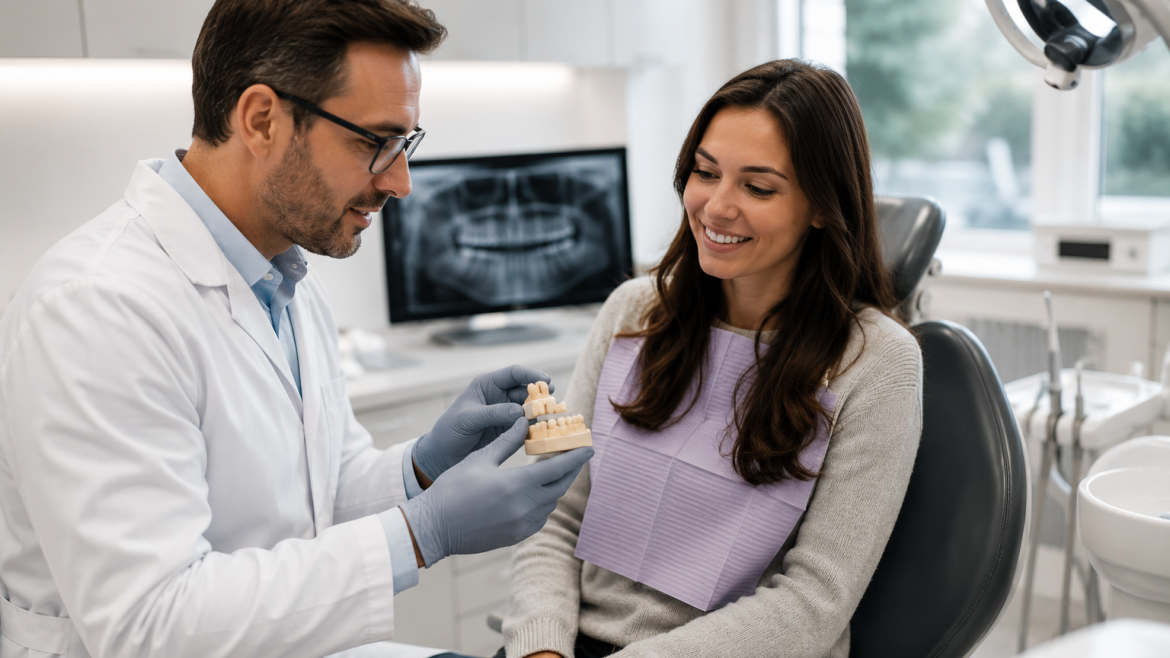
A dental crown is a custom-made cap that completely covers a damaged tooth. It restores the tooth’s shape, size, strength, and appearance while protecting it from further damage.
Once placed, a crown functions much like a natural tooth. It allows you to bite, chew, and smile comfortably while preserving the underlying tooth structure.
Crowns are carefully designed to match the color and contour of your surrounding teeth, making them virtually indistinguishable from your natural smile.
When Is a Dental Crown Needed?
There are several situations where a crown may be the most effective treatment option.
Severe Tooth Decay
When a cavity becomes too large for a traditional filling, a crown can restore the tooth while providing long-term protection.
Cracked or Broken Teeth
Teeth can crack due to injury, grinding, or biting hard objects. A crown helps hold the tooth together and prevents the crack from worsening.
After Root Canal Therapy
Root canal treatment removes infected tissue from inside a tooth. Because the tooth becomes more fragile afterward, a crown is often placed to strengthen and protect it.
Worn Teeth
Years of grinding, clenching, or normal wear can reduce tooth structure. Crowns help rebuild these teeth and restore proper function.
Cosmetic Improvements
Crowns can also improve the appearance of severely discolored, misshapen, or damaged teeth that cannot be corrected through more conservative treatments.
Benefits of Dental Crowns
Dental crowns offer both functional and cosmetic advantages.
Protect Natural Teeth
One of the primary goals of restorative dentistry is preserving natural teeth whenever possible. Crowns help extend the life of damaged teeth and often prevent the need for extraction.
Restore Chewing Function
Damaged teeth can make eating uncomfortable. Crowns restore strength and stability, allowing patients to chew confidently again.
Improve Appearance
Modern crowns are highly aesthetic and blend seamlessly with surrounding teeth.
Long-Term Durability
With proper care, dental crowns can last many years and provide reliable protection.
Prevent Further Damage
Covering a weakened tooth helps reduce the risk of fractures and additional decay.
Types of Dental Crowns
Several materials may be used to create dental crowns.
Porcelain Crowns
Porcelain crowns are popular because they closely mimic the appearance of natural teeth.
Benefits include:
- Natural color and translucency
- Excellent aesthetics
- Stain resistance
Ceramic Crowns
Ceramic crowns offer exceptional cosmetic results and are often used for front teeth.
Porcelain-Fused-to-Metal Crowns
These crowns combine durability with aesthetics and may be recommended for certain situations.
Zirconia Crowns
Zirconia is known for its strength and durability while still providing a natural appearance.
At Wave Dental, we help patients choose the material that best fits their clinical needs and aesthetic goals.
What Happens During the Crown Process?
Getting a dental crown is a straightforward procedure that typically involves two visits.
First Appointment
During your initial visit:
- The tooth is examined and prepared.
- Any decay or damaged tissue is removed.
- The tooth is shaped to accommodate the crown.
- Digital impressions are taken.
- A temporary crown may be placed.
Crown Fabrication
Your custom crown is created to fit your smile precisely.
Second Appointment
Once the crown is ready:
- The temporary crown is removed.
- The permanent crown is checked for fit and appearance.
- The crown is securely bonded into place.
After placement, your crown should feel comfortable and function naturally.
How Long Do Dental Crowns Last?
The lifespan of a dental crown depends on several factors, including oral hygiene habits and lifestyle.
Many crowns last:
- 10 to 15 years
- 20 years or longer with excellent care
Proper maintenance can significantly extend the life of your restoration.
Caring for Your Dental Crown
While crowns cannot develop cavities themselves, the tooth underneath still requires protection.
To maintain your crown:
- Brush twice daily
- Floss carefully around the crown
- Avoid chewing ice and hard objects
- Wear a nightguard if you grind your teeth
- Attend regular dental checkups
Routine care helps ensure both the crown and supporting tooth remain healthy.
Common Signs You May Need a Crown
Not every damaged tooth requires a crown, but certain symptoms often indicate the need for evaluation.
Watch for:
- Cracked or chipped teeth
- Large fillings that are breaking down
- Tooth pain when chewing
- Significant tooth wear
- Teeth weakened after root canal therapy
- Visible structural damage
The sooner a weakened tooth is treated, the greater the chance of preserving it.
Why Choose Wave Dental for Dental Crowns in Worcester, MA?
At Wave Dental, we combine advanced technology with personalized care to deliver exceptional restorative results.
Patients trust our team because we offer:
Comprehensive Evaluations
We thoroughly assess your oral health before recommending treatment.
High-Quality Materials
We use durable, natural-looking restorations designed for long-term success.
Patient-Focused Care
Your comfort and confidence are always our priorities.
Modern Technology
Digital imaging and advanced techniques help ensure precise results and efficient treatment.
Our goal is to restore both the health and appearance of your smile.
Protect Your Smile Before Small Problems Become Big Ones
A damaged tooth does not always require extraction. In many cases, a dental crown can restore strength, function, and appearance while preserving your natural tooth.
Addressing dental problems early often leads to simpler treatment and better long-term outcomes.
Restore Your Smile with Wave Dental
If you have a damaged, weakened, or heavily restored tooth, a dental crown may be the ideal solution. Our experienced team is here to help you understand your options and create a personalized treatment plan.
Call to Action:
Interested in learning more about dental crowns in Worcester, MA? Visit the Wave Dental website to explore our restorative dentistry services and schedule a consultation. Let us help you protect your smile and maintain strong, healthy teeth for years to come.
Frequently Asked Questions
Does getting a dental crown hurt?
The procedure is typically comfortable and performed using local anesthesia to ensure patient comfort.
How long does it take to get a dental crown?
Most crowns require two appointments, although some cases may vary depending on the treatment plan.
Can a crowned tooth still get cavities?
The crown itself cannot develop cavities, but the natural tooth underneath can if proper oral hygiene is not maintained.
Will my crown look natural?
Yes. Modern crowns are designed to closely match the appearance of your natural teeth.
How do I know if I need a crown or a filling?
Your dentist will evaluate the extent of damage and recommend the option that best protects your tooth long term.